

Part II
Hopefully, you saw my previous past about my adventures in northern Manitoba, Canada photographing the polar bears and other wildlife. If not, go back and check that one out first.
Last time I talked about how the trip came about, with a bit of history of the Churchill area and a little about the polar bears. Today, I want to share more about the feelings from the trip, the experiences, more photos of bears and other animals and more photos of the area.
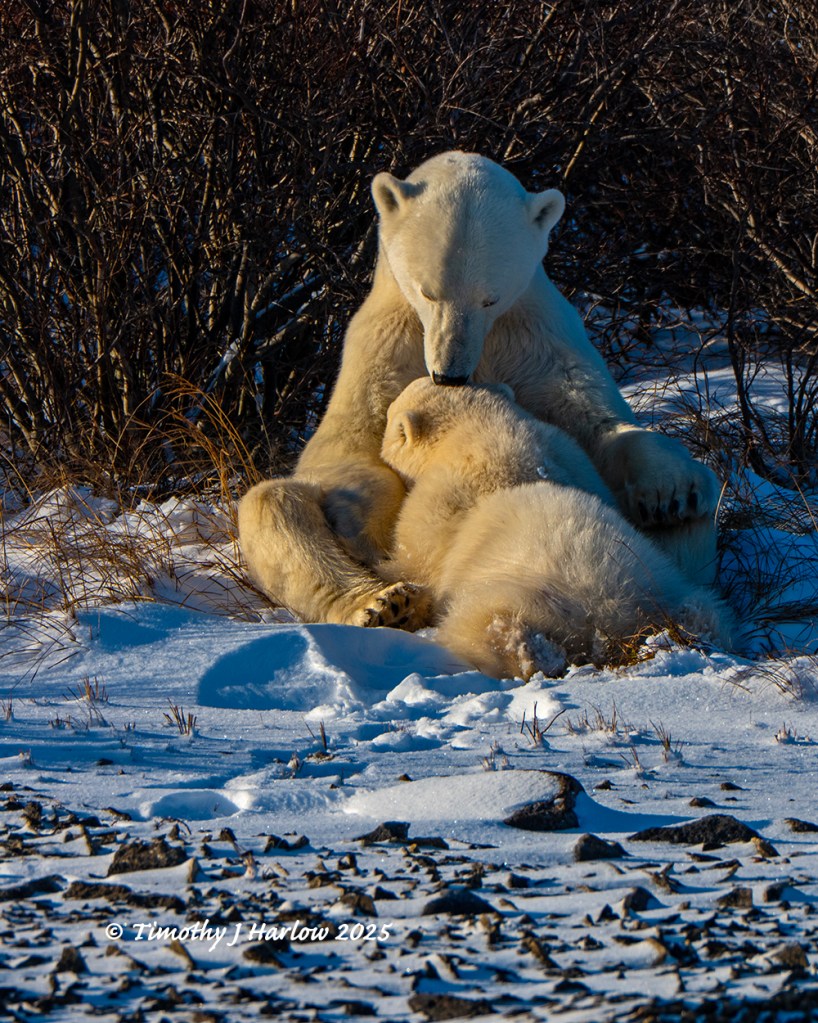
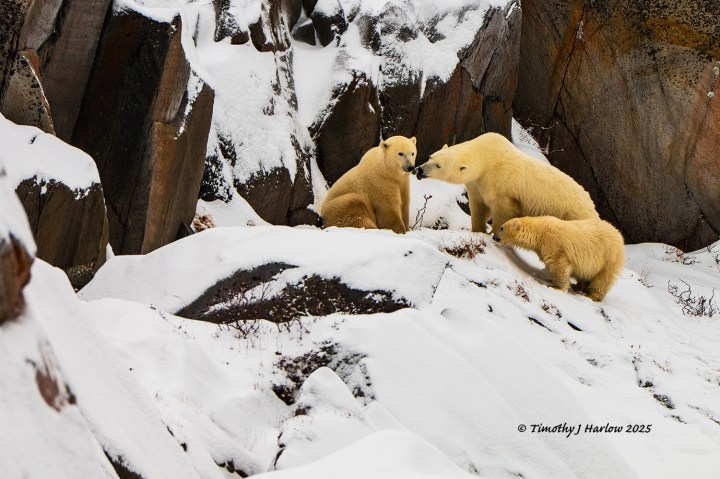
The more time I spend around our animal friends the more I realize how similar we really are. One thing that was evident right away was the absolute love the mother bears have for their cubs. The love was visible in so many different ways. Not only do the mothers protect and care for their cubs, but they also spend a lot of time teaching the little ones. They teach how to hunt, how to seek shelter, how to find bits of nutrition, how to climb the rocks and negotiate the pack ice. They teach their cubs how to pick up the scent of other bears, possible predators, and possible prey.
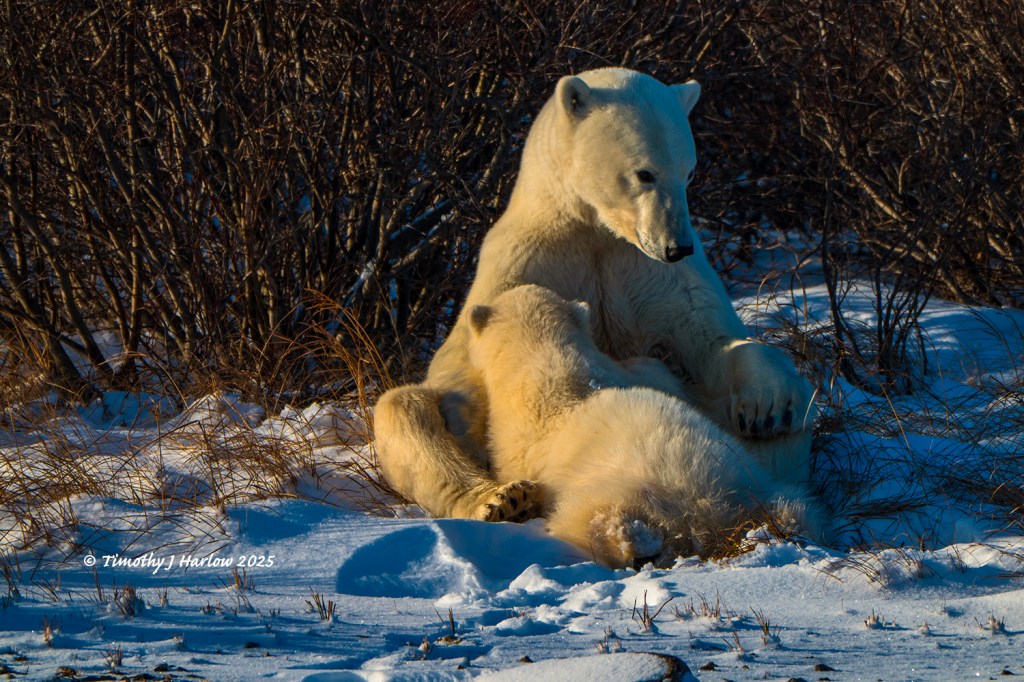
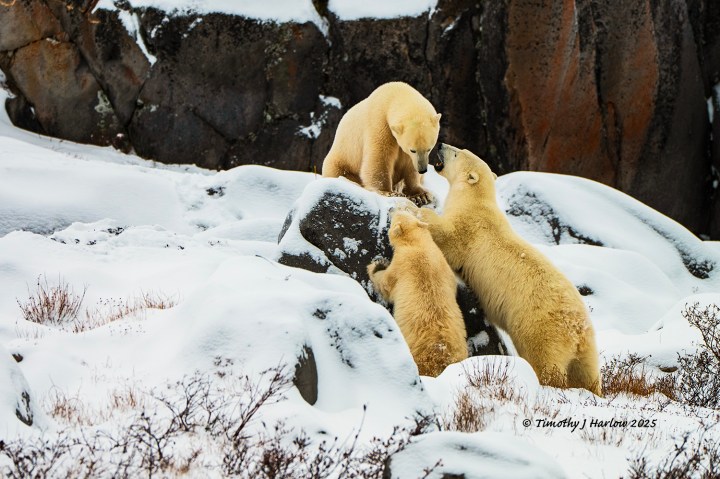
I was surprised at how much time the mothers spend just enjoying their children and playing with them. And just like human children, the cubs’ curiosity is nearly endless. They find wonder in everything! The little ones love to slide down a snowy hill; they seem to truly enjoy the wrestles with mom. And I could see the joy and wonder in their eyes as they take in everything in their world. Seeing that love between the mothers and cubs and the pure joy these bears have for their surroundings was incredibly moving.
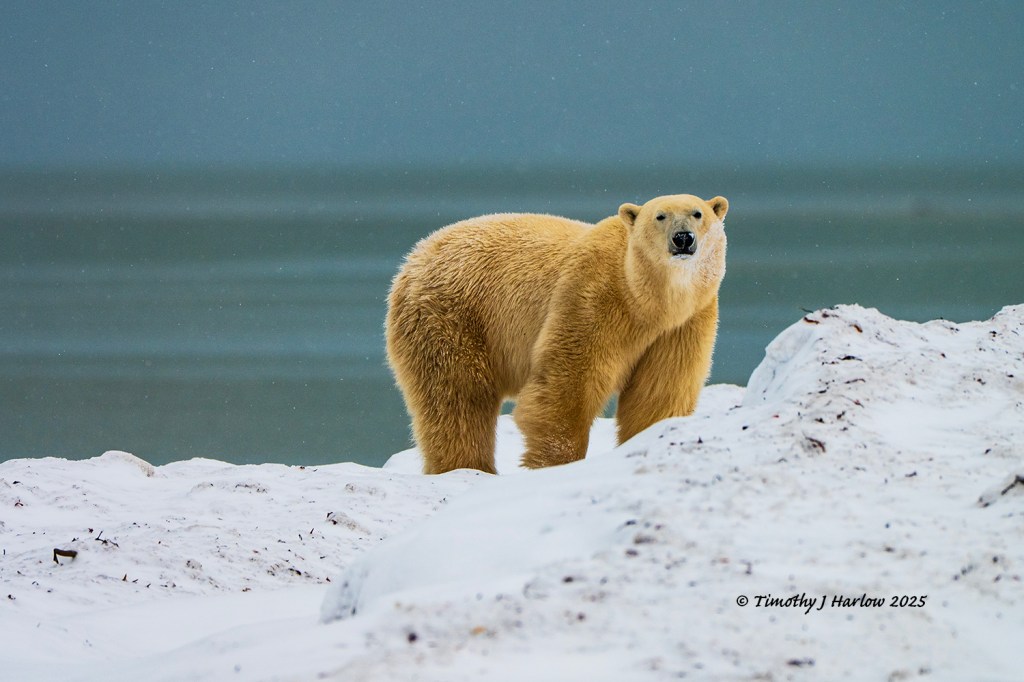
The more time I spent around the polar bears the less I viewed them as dangers. Now, I don’t mean to say that I got less cautious; no, I mean that I quickly saw them as equals. They love their children as we do. They love to play; they love to exercise. They love life as much as you and I. And while that moved me with an inner peace, I also found myself feeling profoundly sad at times.
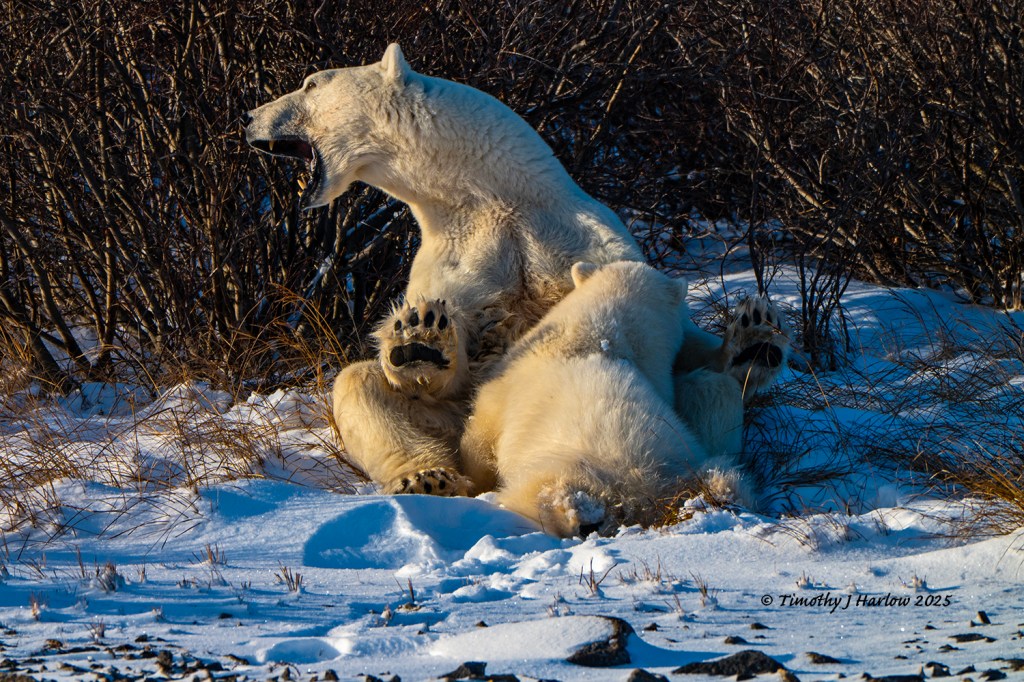
Early on in the trip I learned that these bears have been without their primary food source, seals, for over 140 days! While it was cold, the bay was not close to freezing over. Would these wonderful bears make it in time to find food and go on with their lives for another year? Only 50% of polar bear cubs survive to adulthood. How many of these dedicated mothers would see their child die?
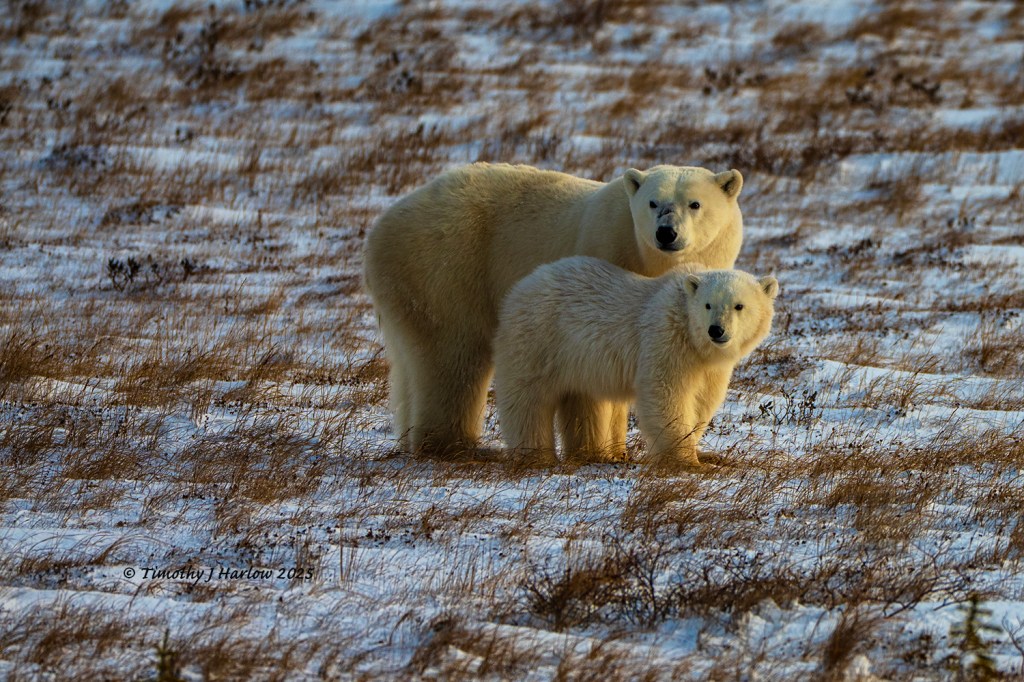
And we humans are solely responsible for worsening these magnificent bears plight. Global warming is not a hoax as our moronic president seems to claim. The carbon dioxide concentration in our atmosphere is easily measurable. And, by taking glacial ice core samples in the mountains, the arctic and the Antarctic, we can easily compare today’s carbon dioxide levels with those even hundreds or thousands of years ago. Our Canadian neighbors do not debate climate change as we do here in the US. No, they are trying to figure out how to mitigate the damage we have done to our world.
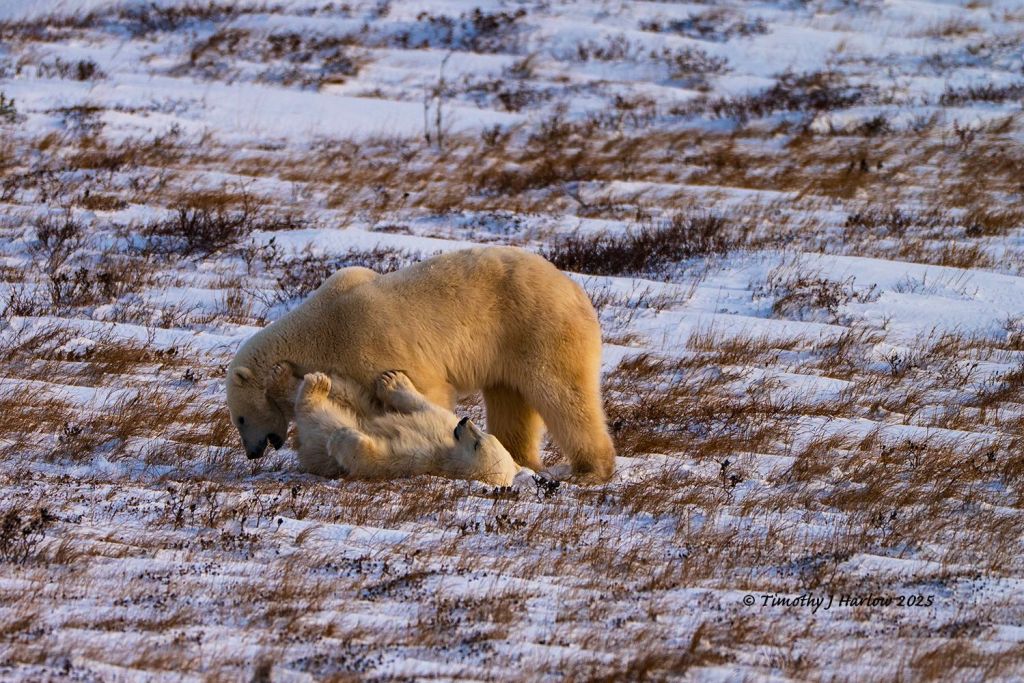
In addition to the bears, the Churchill area is home to lots of other artic wildlife. One morning, Erik (our guide) took us back to Bird Cove to see if he could spot some artic hares as he said they like to take shelter in the rocky areas.
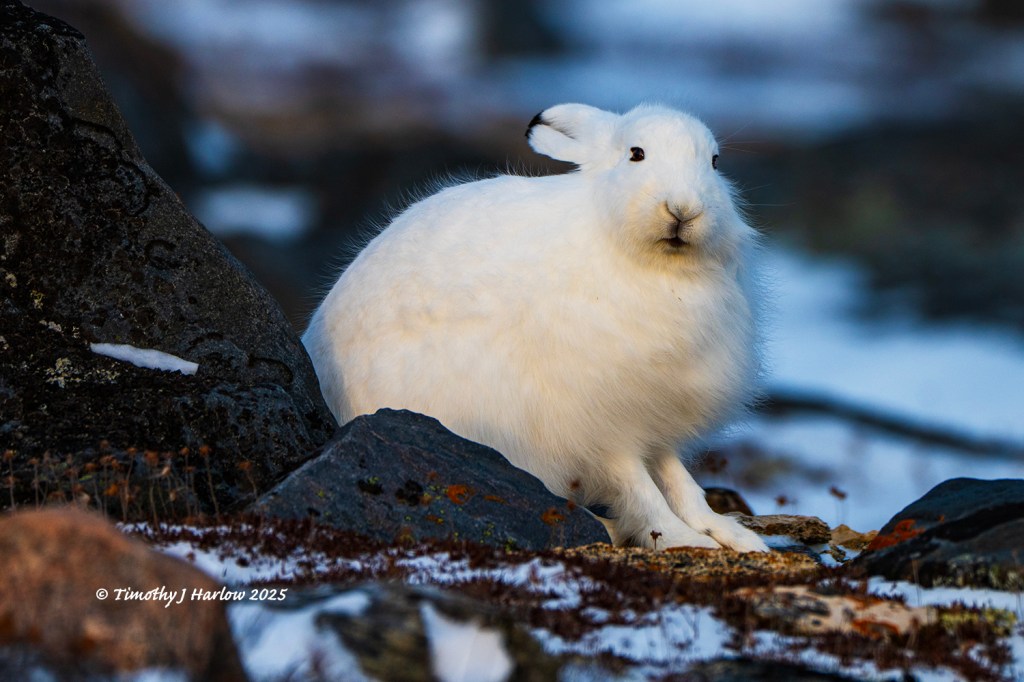
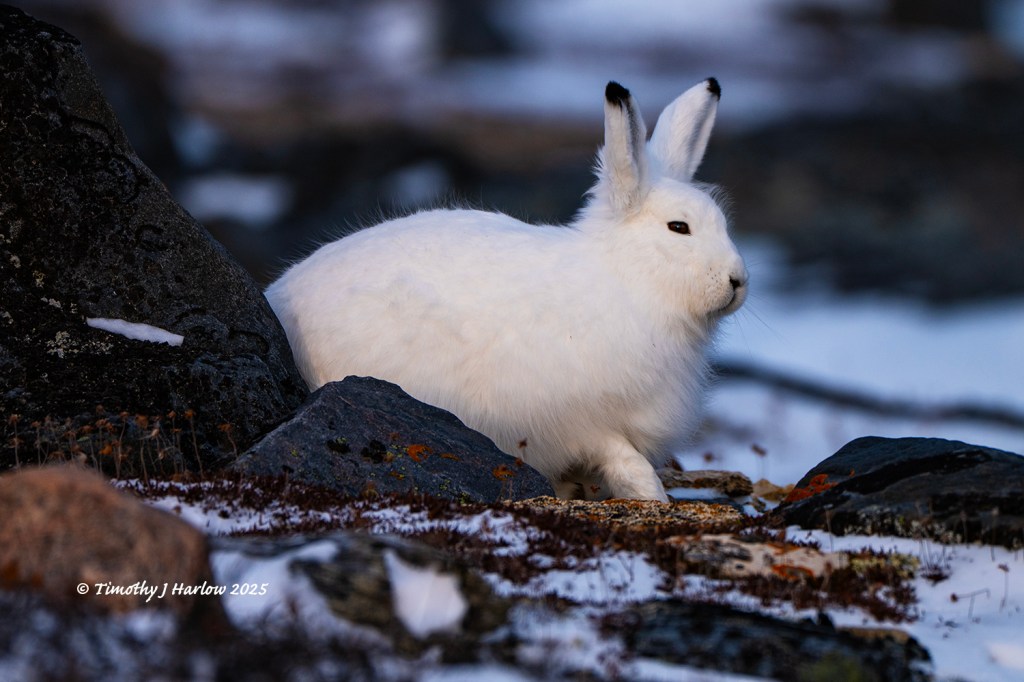
These arctic hares are quite difficult to spot as they are perfectly camouflaged to blend into the snow and rocks. Erik has an amazing ability to spot the wildlife – maybe it’s those young eyes with lots of experience.
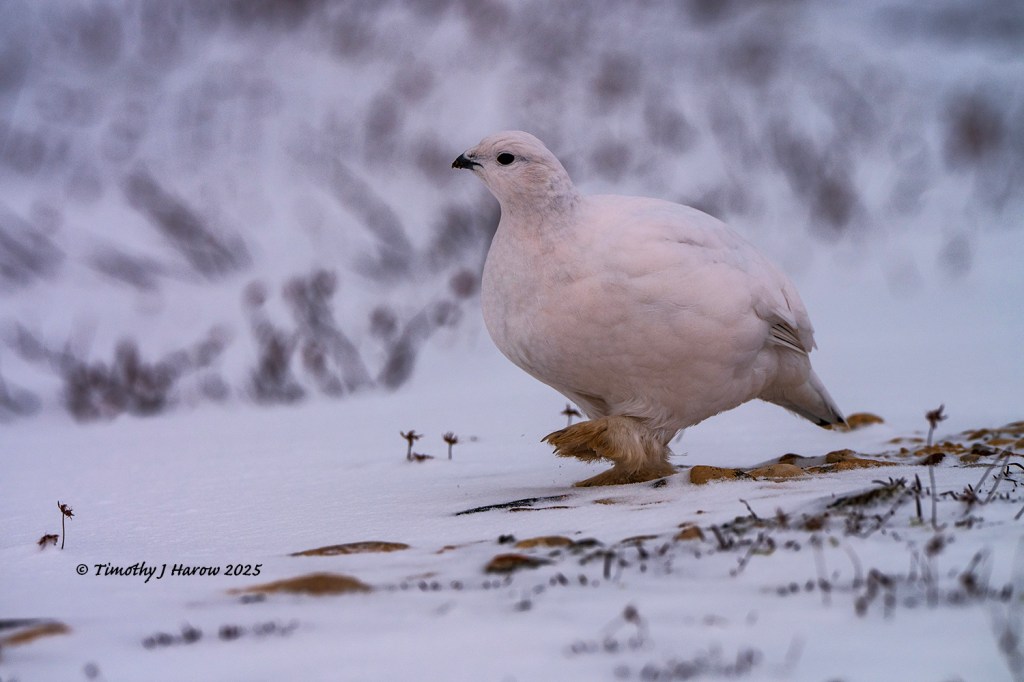
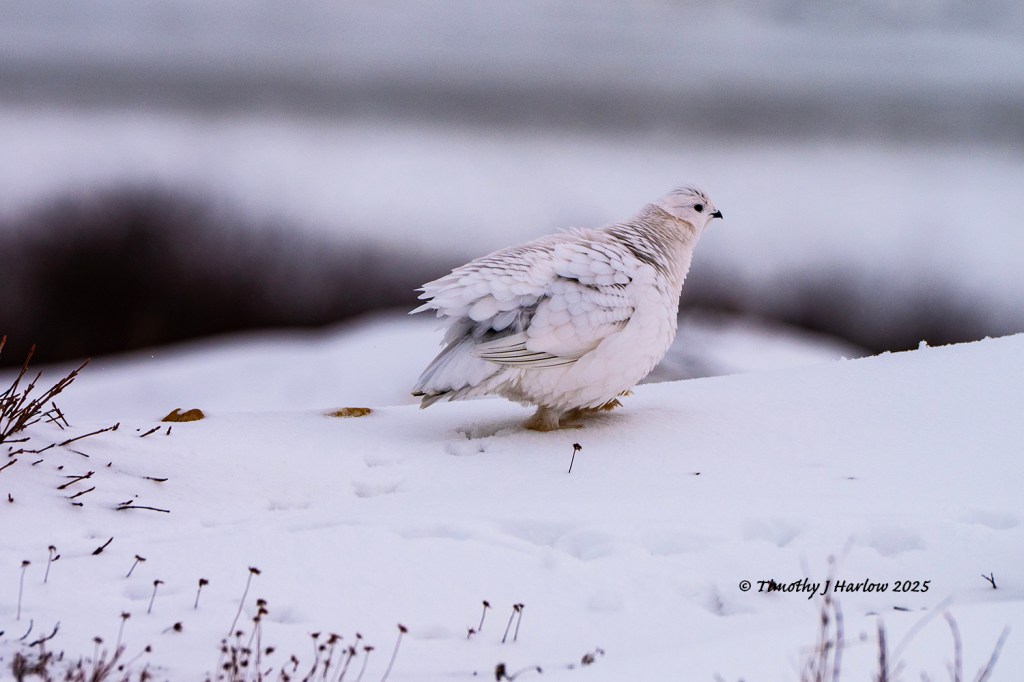
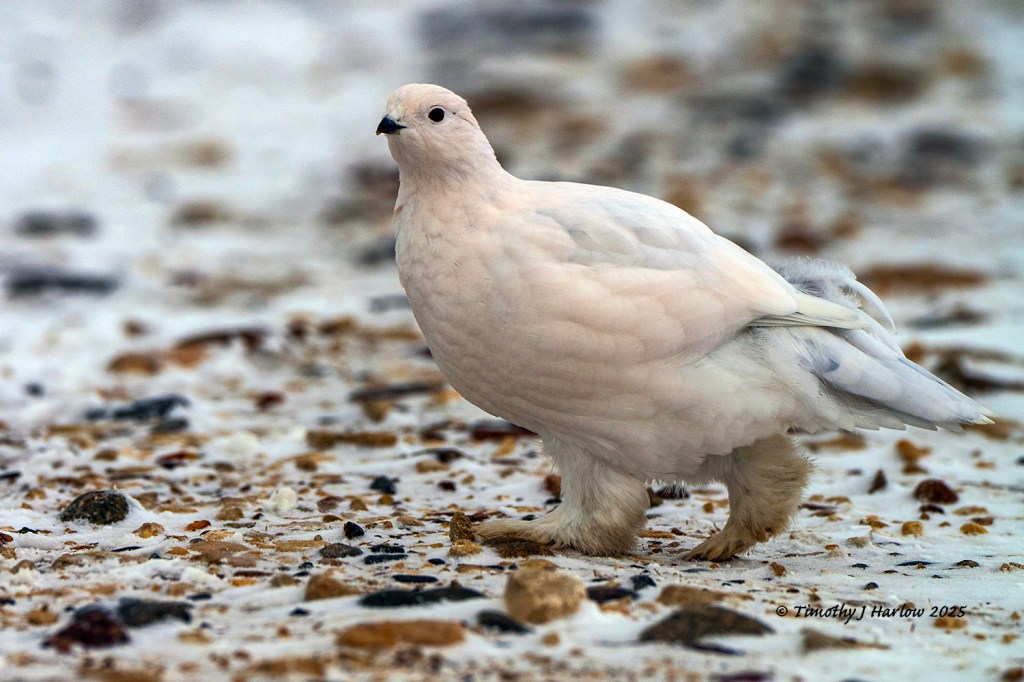
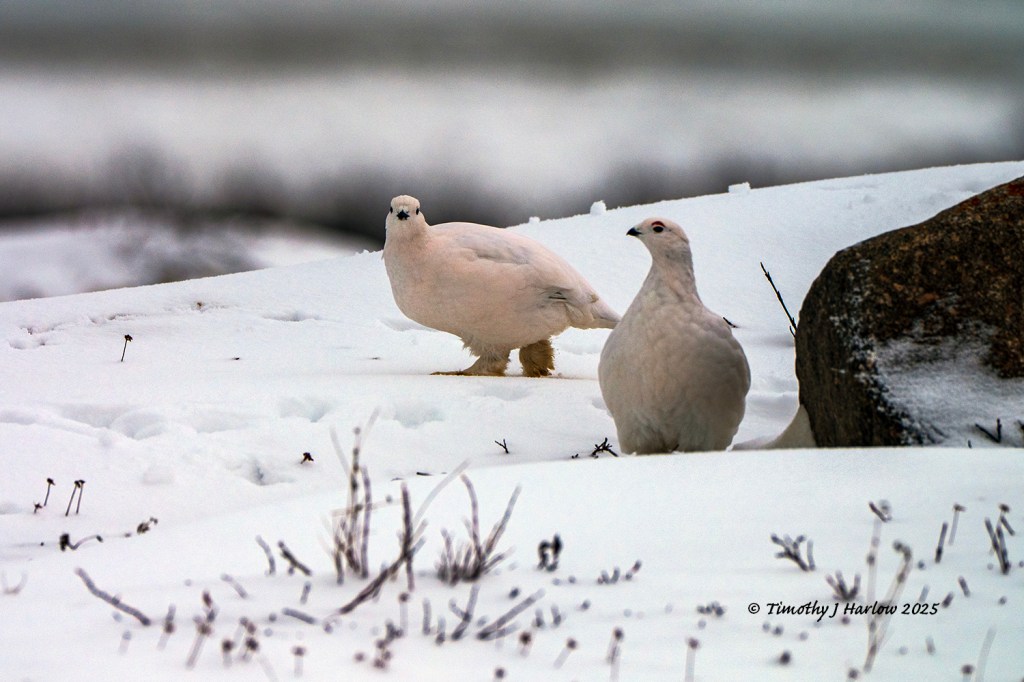
As we were hanging around the Bird Cove area after the hare session, we came upon a group of ptarmigans. These are the strangest little birds as their feet and lower legs are covered in very downy feathers.

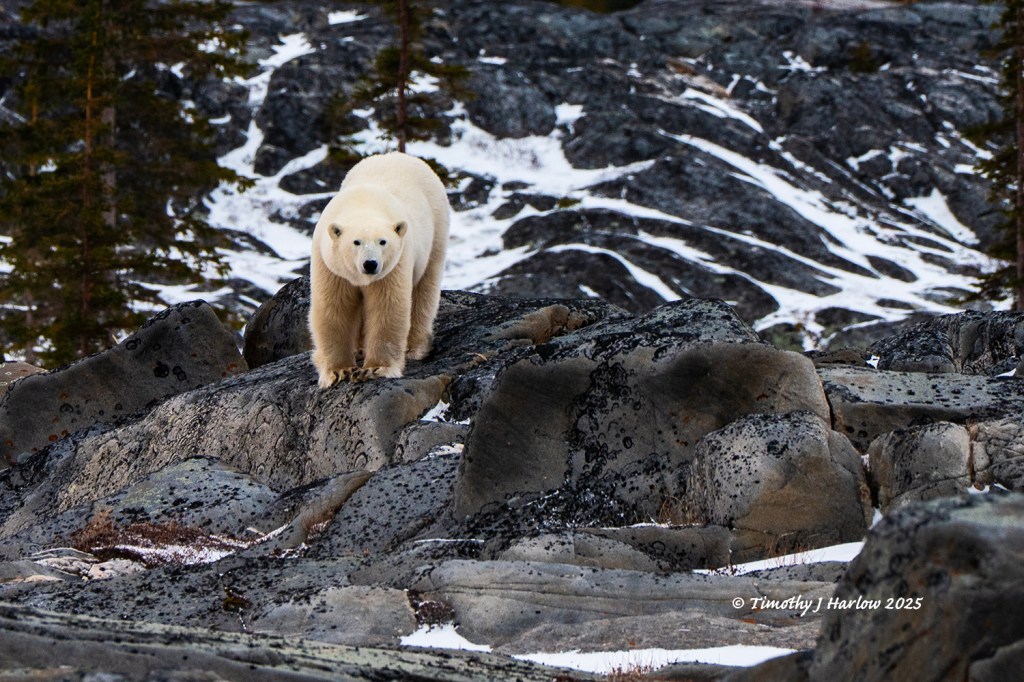
These polar bears are amazingly well adapted to not just their winter life out on the ice hunting seals, but also to their life on land navigating their summer/autumn environment. Their sight, smell and hearing are all incredibly sharp and sensitive. Those huge paws not only help them navigate the ice and snow, but they also provide great grip on the glacier smoothed rocks around Hudson Bay. And by the way, those giant feet also help the bears with their swimming – kind of like big flippers in the water.
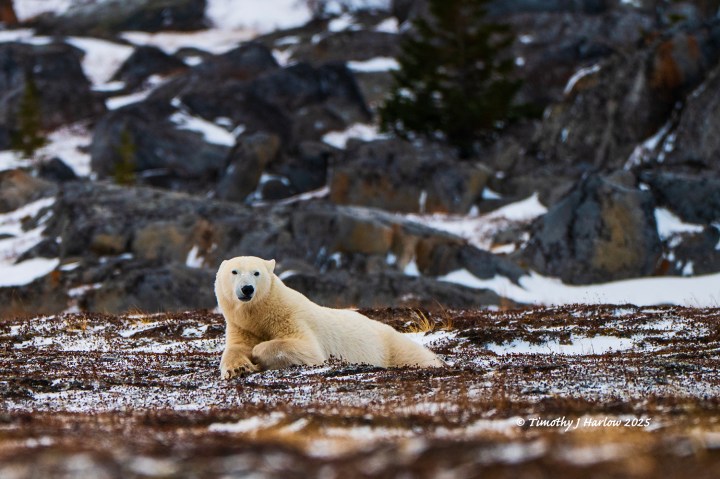
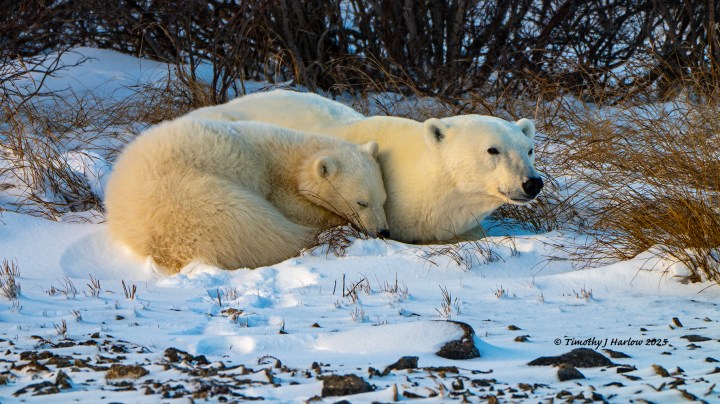
The bears are very playful, but due to their long time away from their main food, they do tend to take rests and naps whenever possible.
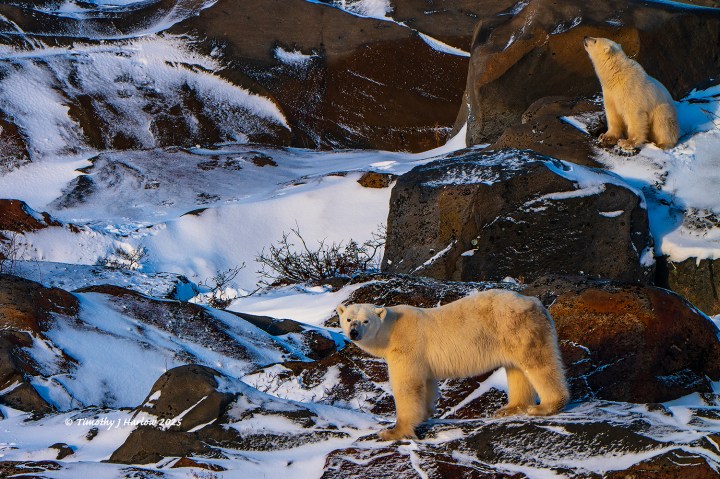
As I mentioned above, the bears are excellent climbers, and their cubs are pretty good as well. Here is a series of photos I took one afternoon of a mother and her cub climbing up some large rocks for a great view of the surrounding area.


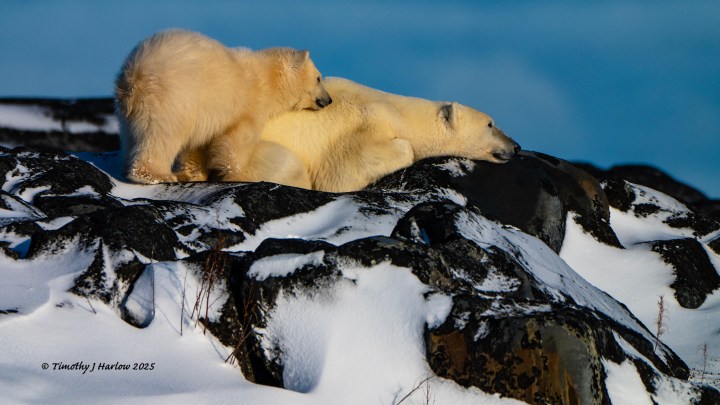
And yet these bears seem to know that they are the kings and queens of their land.
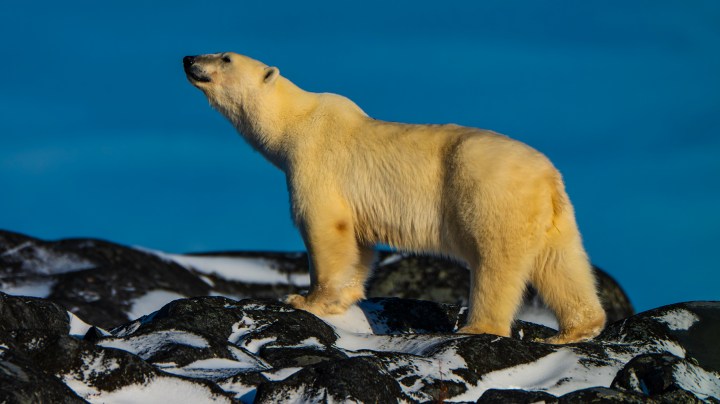
The bears were constantly on the move. Sometimes they were right on the coast walking along the shore or hanging out on top of some enormous ice blocks from some recent storms. They seemed to be either looking for food scraps, looking out for other bears or seeking shelter from the relentless winds.
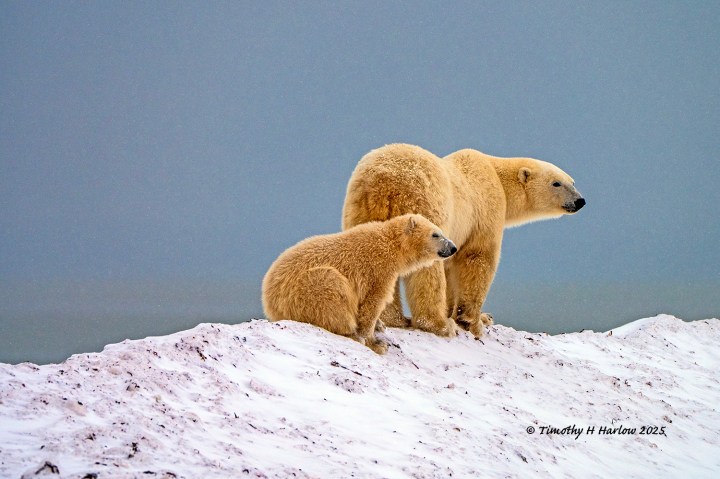
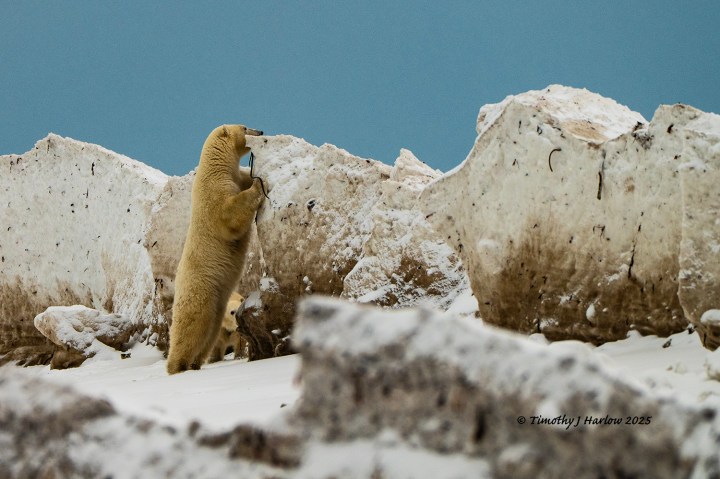
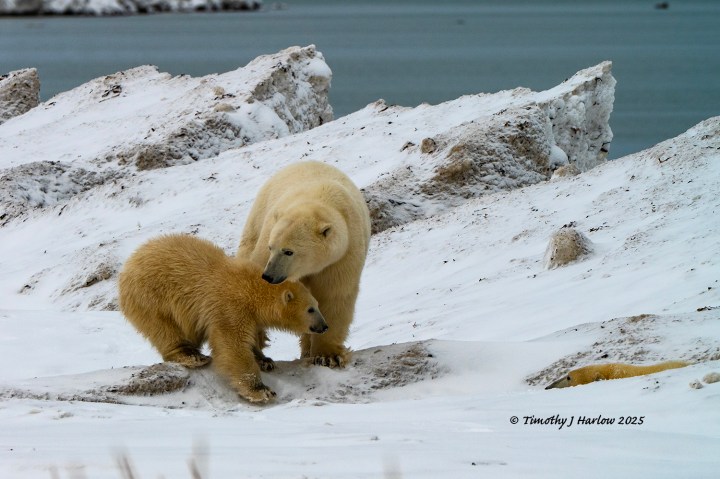
At other times we would encounter the bears farther inland, sometimes several miles from the coast. They were just so incredibly active and mobile.
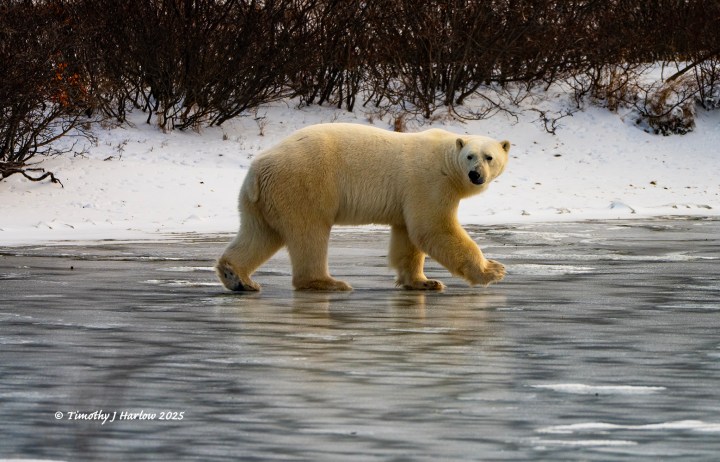
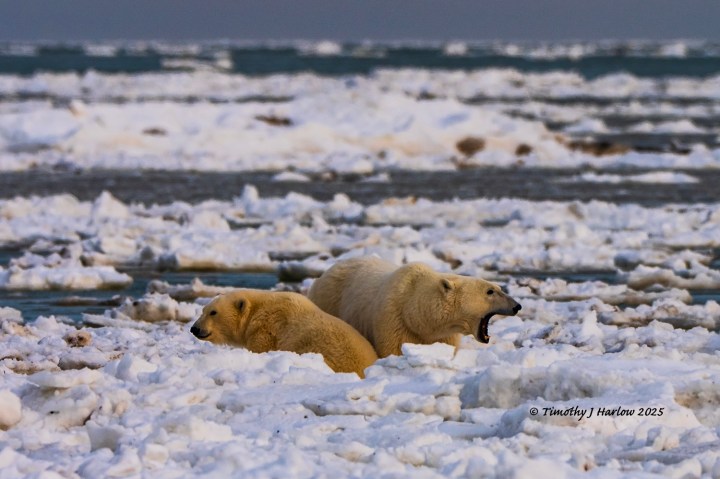
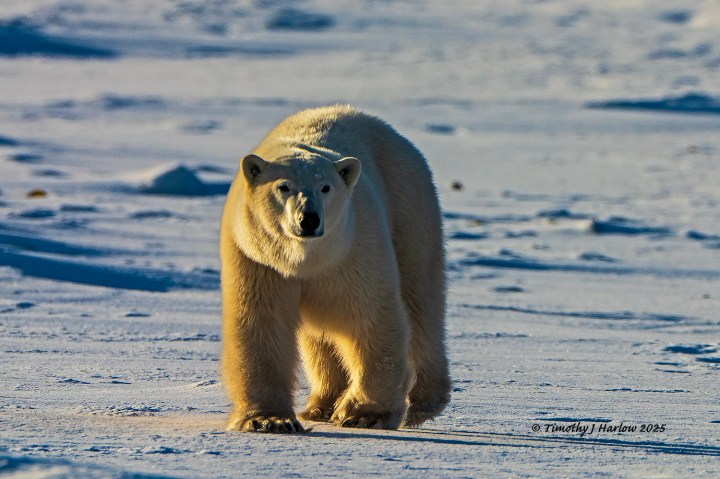
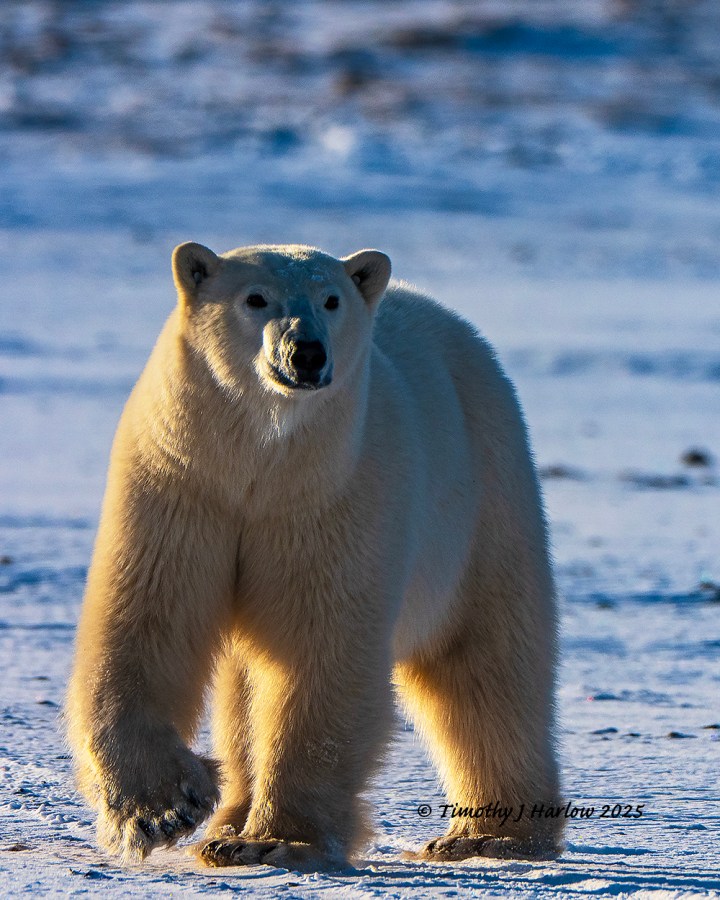
But remember, these bears are not evil killers; on the contrary, they are intelligent and caring creatures who are incredibly devoted to their offspring. But like all of us, when they are hungry (remember they haven’t had a significant meal in close to five months), they can become quite aggressive. I think of the Snickers commercial where the people get “hangry – you’re just not you”.
Yet, you have seen the peacefulness and the tenderness. These bears do not go around looking for trouble. They are just doing their best to survive in harsh environment, but they do find a lot of joy.
I wasn’t at all sure what to expect when I got to Churchill, Manitoba. I knew it was small, but the whole area wasn’t quite what I expected. This region is much wetter than I had anticipated; much of the land is just covered in marshes, ponds, and lakes. After being in the greater Churchill area for a week, I really began to appreciate the environment. It’s so entirely different than my home in Utah – no mountains, and the trees are so much smaller.

The closer you get to the coast, the less trees you see. And the trees that do grow near the coast mostly only have branches on one side. Even in early November, the winds are fierce. As you may have read in Part I, the first full day I was in Churchill, the winds were gusting at over 70 miles per hour (113 kph)! From what the locals were saying by later December and into January and February, nighttime temperatures can be -35 Celsius with occasional lows to less than -40C.
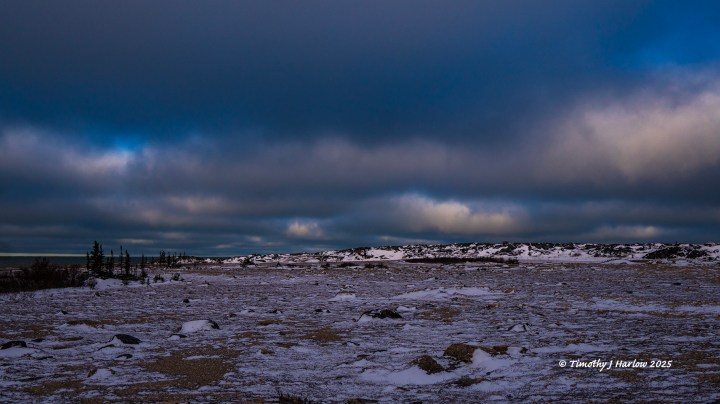
Yes, this is a very harsh place, yet the beauty here is astounding. There is a very peaceful feeling when you’re out away from town. The region is also more rocky than I had expected. This entire portion of North America was once covered in massive glaciers. So, these rocks have been ground down and scraped smooth by thousands if years of glacial ice moving over them.
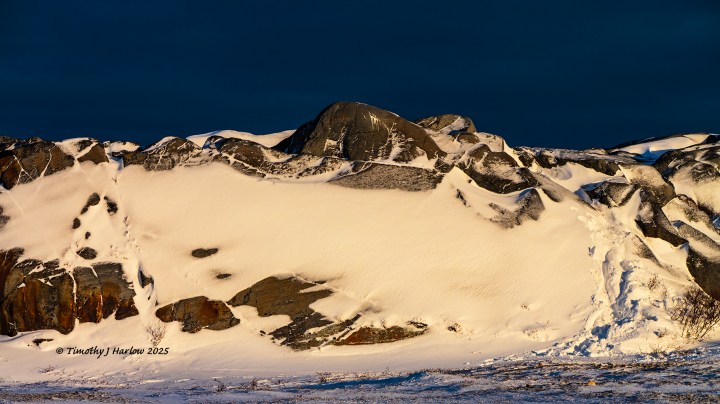
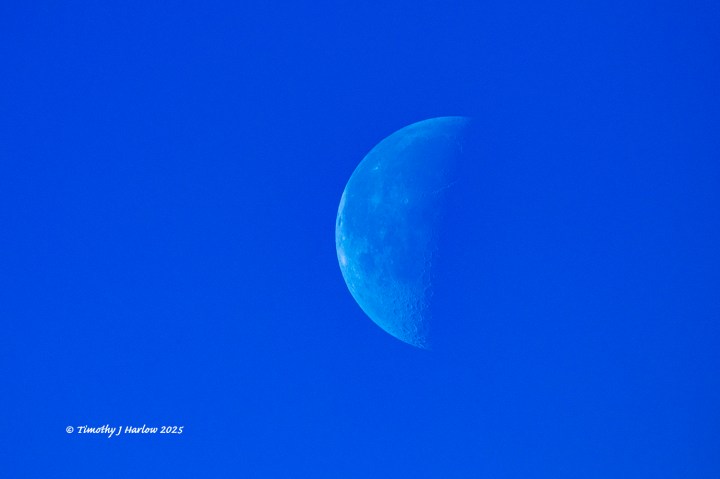
One thing that really hit me was how incredibly clear the air was up here. There was no pollution, and that made the skies so deep blue in the sun. And any bit of cloudiness produced so many colors in the clouds, even during the middle of the day.
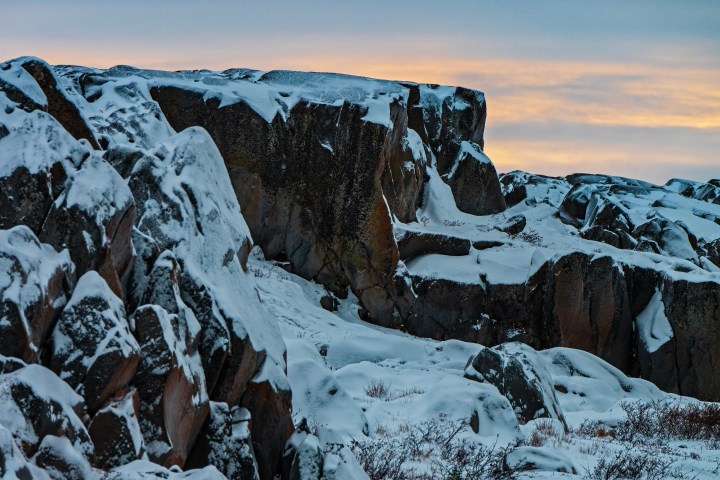
However, those thousands of years of glaciers have made this portion of Hudson Bay quite shallow with rocky outcroppings extending far off shore. There is not much shipping in Churchill due to the shallow bay. The local news is that there may be more ships coming in if the port can be made safer.
This shallow shoreline has been quite hazardous to ships over the the years. In fact, there is a large wreck of an old iron ore ship that ran around in 1967 during a severe storm. That ship is called the Ithaca.
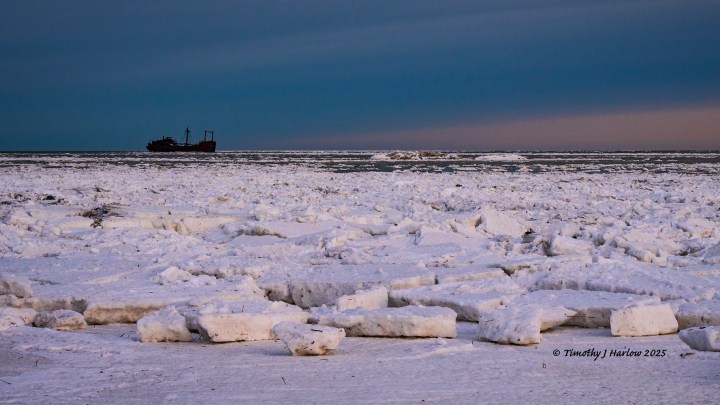
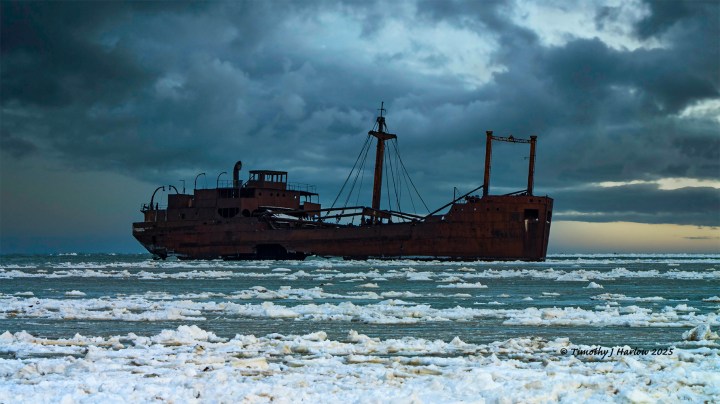
So, this shallow area of the bay helps keep Churchill fairly isolated, and I’m sure that helps the polar bears to be more comfortable and at ease so close to a town.
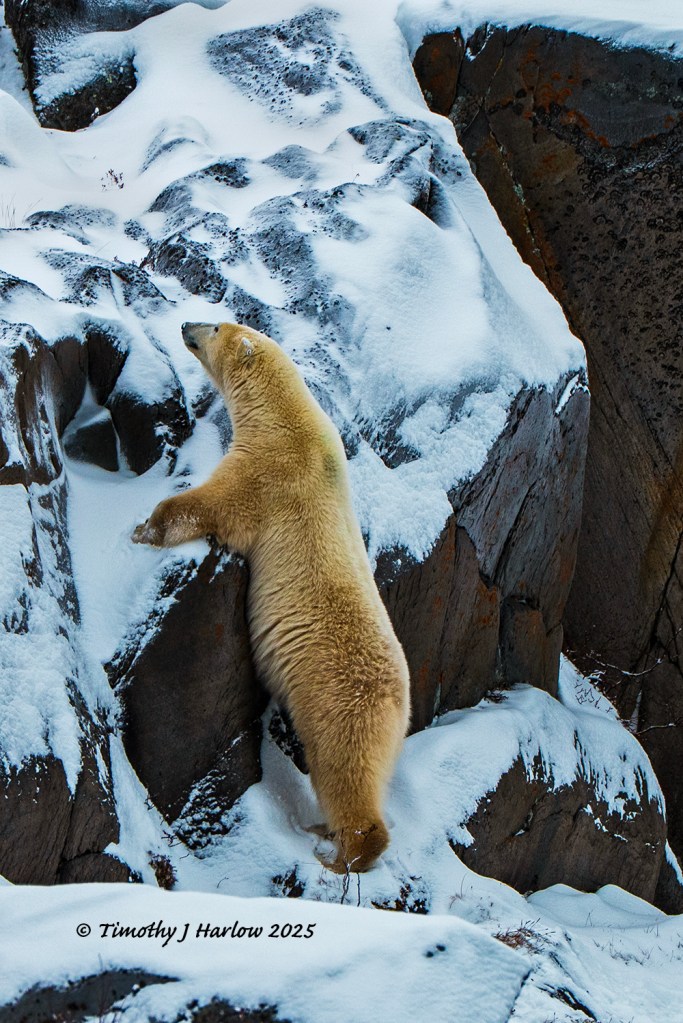
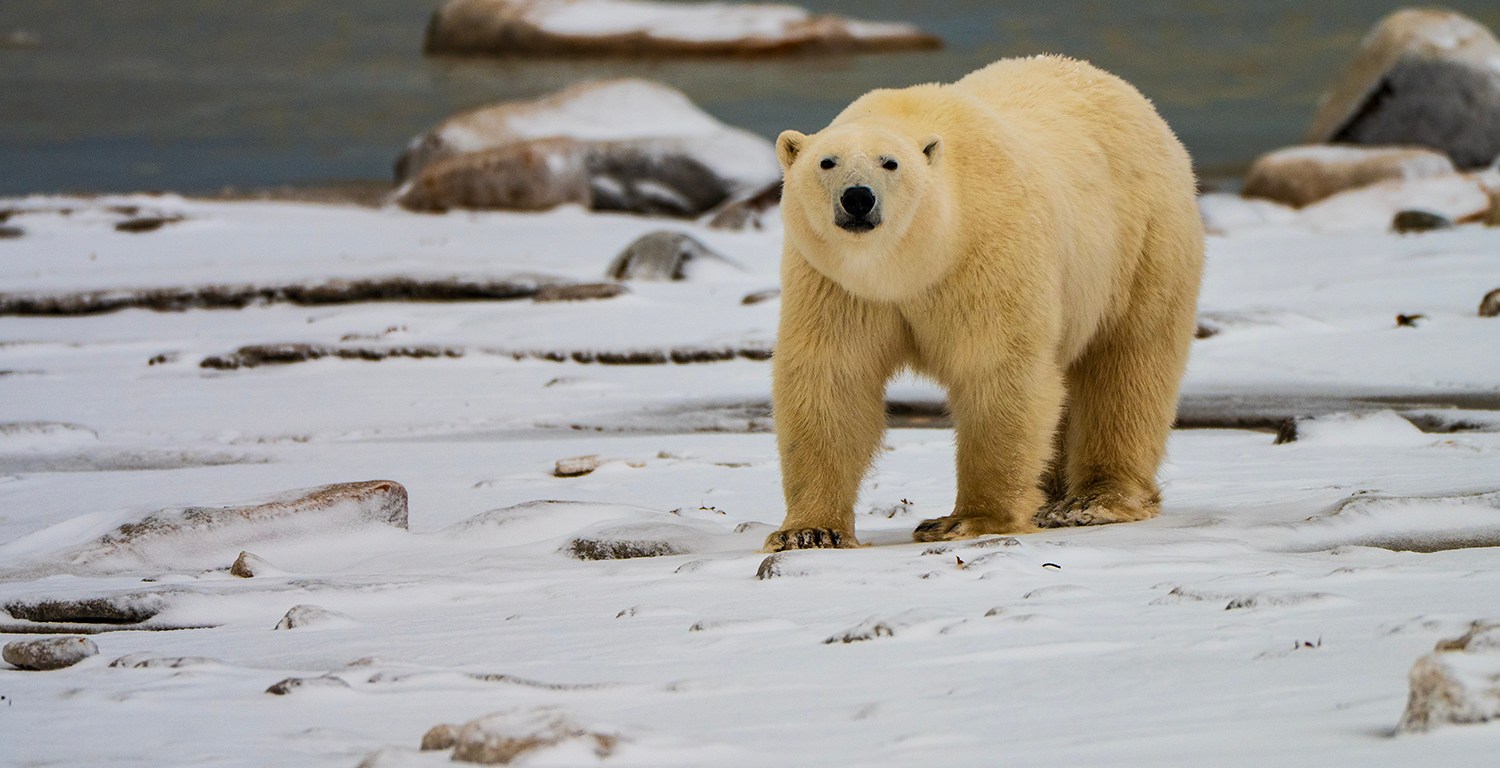
Here are a few more photos of these magnificent bears.
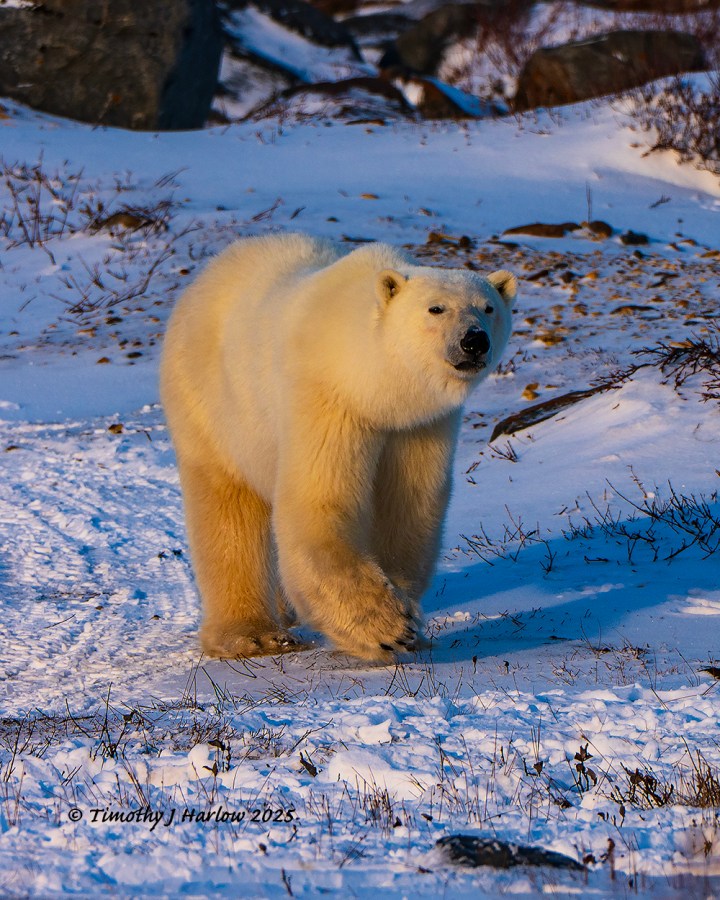

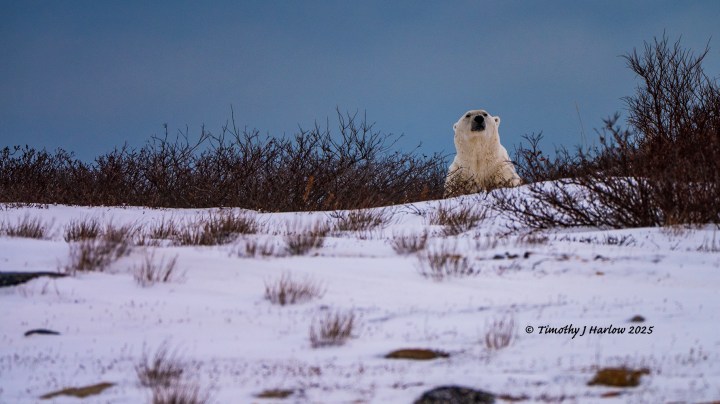
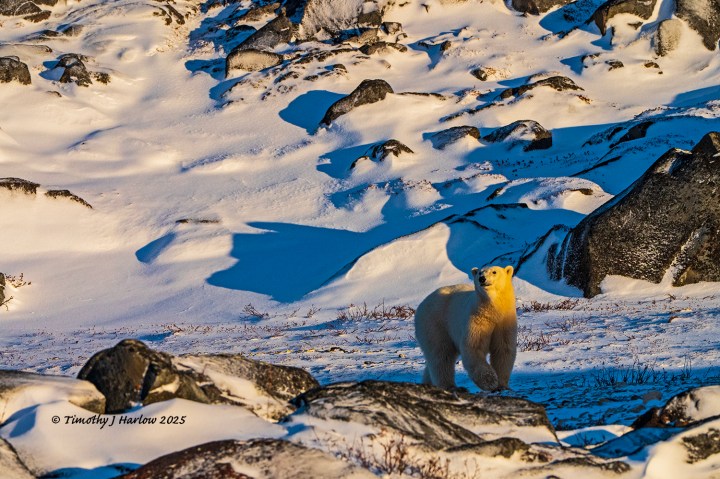

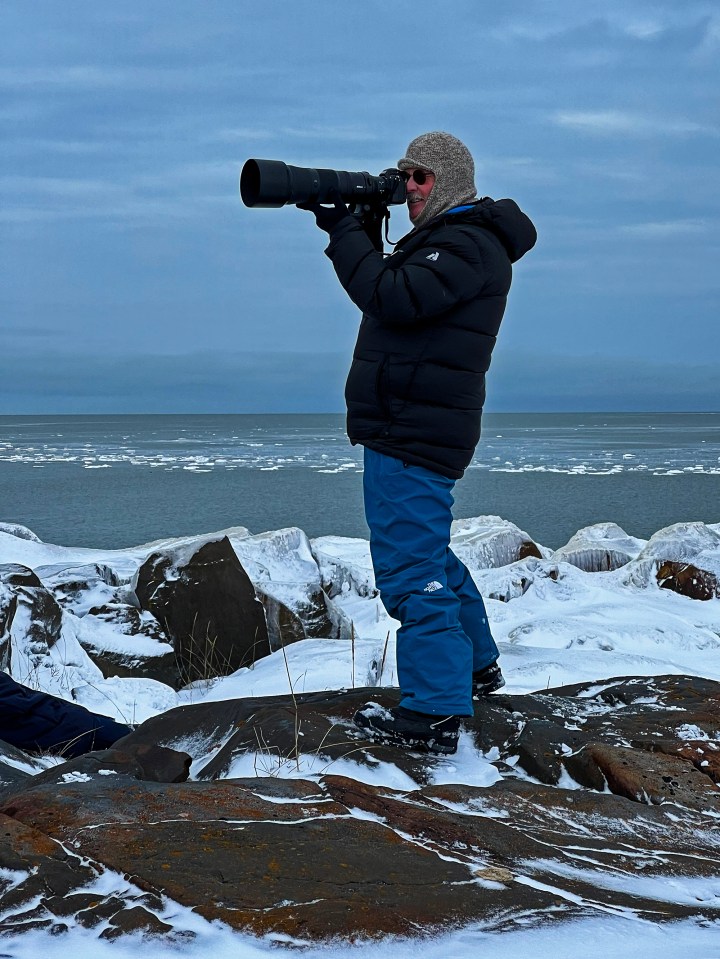
This trip to the Churchill, Manitoba area was the most incredible thing I have ever done! These bears, when you see them on the ground in their world, are absolutely magnificent. The beauty of this area is astounding. The air is so clean; the sky is always so colorful. The rocky coast is such an amazing place. The harshness of the Churchill area seems to make this place magical.
If you ever get a chance to visit this amazing land, do not hesitate. Just do it!
This has been wonderful to be able to share these photographs with you. And I have enjoyed sharing my thoughts and feelings with you. I really hope you have enjoyed this post as much as I did making it.
Thank you so much for visiting my page. And, whatever you celebrate, have the most wonderful Holidays!


Nice!
You make the road by walking it.
Ben Macri
LikeLiked by 1 person
wonderful
LikeLiked by 1 person
Thank you so much! Have a safe and wonderful New Year!!
LikeLike