


Last March while on my way from Kanab, Utah to St. George, Utah, I was lucky enough to have time to explore the Pipe Spring National Monument in Arizona, just south of the Utah/Arizona border. Pipe Spring is one of those tiny monuments that gets very few visitors and is overlooked by most of the masses heading to the Grand Canyon or Zions National Park to the west. It’s located on AZ Highway 389 about 20 miles southwest of Kanab, Utah.
In fact, Pipe Spring is located on the highway that runs through the Mormon polygamist towns of Colorado City and Hilldale, both along the Utah/Arizona border. So, what is Pipe Spring National Monument all about?

Well, back in the 1850s when the Mormon pioneers were just starting to settle southern Utah, they ran across a nice little natural spring in the mesas that had been serving the needs of the local Kaibab Paiute indigenous peoples for hundreds, if not thousands of years. The Mormons thought that this would be a great place to build a fort and start a settlement given the natural water supply.
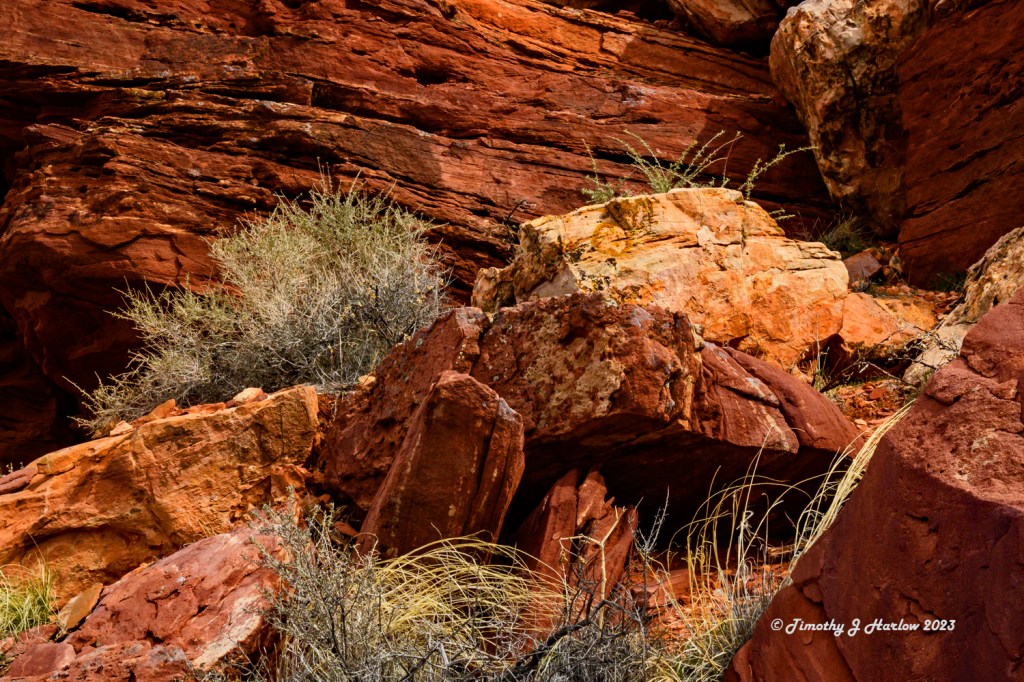
Now, if you have followed my blog for bit, you know that the climate in this part of the United States can be a bit harsh – very hot, dry summers and cold, snowy winters. My recent post about Kanab, illustrates the interesting weather here in late March. Well, this spring was critical for the Kaibab Paiutes, and guess where those Mormon pioneers built their new fort?

You got it! That fort was built right on top of the spring, enclosing the entire spring inside the fort, that they so blusteringly named Windsor Castle.

Now, before I get into a bit more history, this park is jointly administered by the National Park Service and the Kaibab Paiute Tribe. And I was lucky to be able to speak with a member of that tribe the day I went to visit the park. The Mormons used the spring water to grow crops, and for day to day household chores and their basic needs. But everyone else only had access to this precious water at the grace of the Mormon settlers.

I asked the park guide if the Paiutes ever attacked the Mormons to try to get free access to their water again. What I am going to say speaks volumes about the character of these people and their values. He told me, no, that the tribe never once attempted any attacks on the fort or the Mormon settlers. They simply moved on and found other water supplies. I was absolutely stunned!
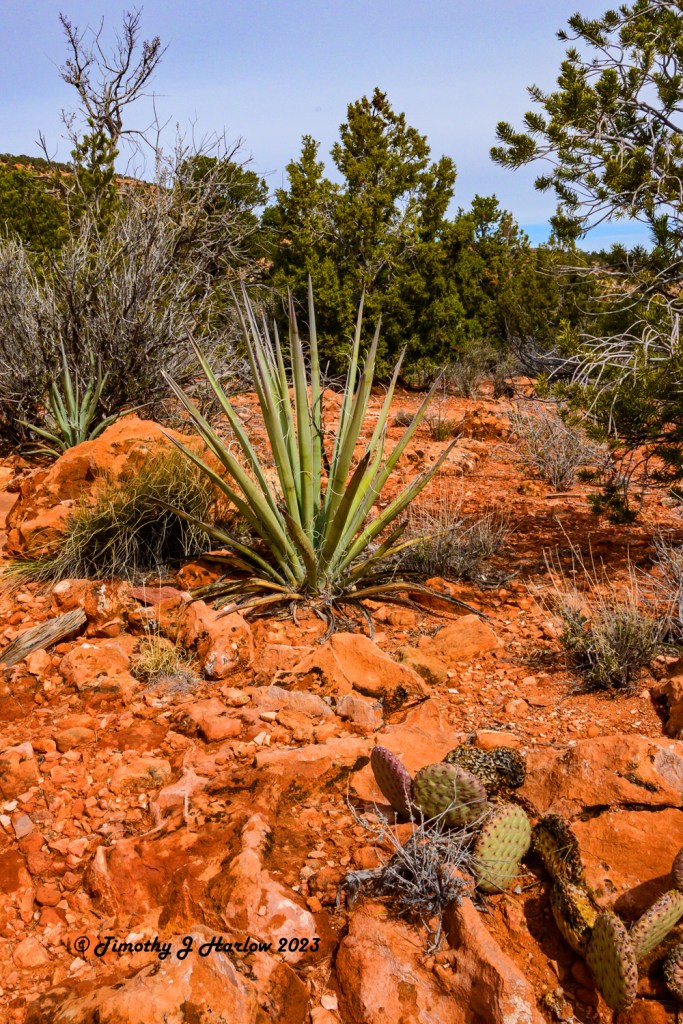
These supposed “savages” as they were called in the 1800s were such a peace loving people that they never even tried to get their water back. Wow! I cannot imagine how they could take this so peacefully. Think of the US desert southwest 170 years ago – no air conditioning, little shelter materials, extremely harsh climate year around, and always a limited water supply.
I was so stunned by the guide’s reply, I asked him again – “Really, no attacks ever?” “Nope, never.” These peoples deserve our respect for their almost unimaginable perseverance and their dedication to a peaceful existence. I think we all could learn a tremendous amount from that mindset.

Anyway, I wanted you to know about this piece of American history tucked away in a tiny little settlement on the Utah/Arizona border. Thank you for stopping by my blog, and I would love to know if any of you have ever visited Pipe Spring before.
Enjoy being out and about!


 Tim's Viewpoints & Visuals
We’re heading out in that general direction this week. Thanks for the heads up.
Ben Macri
LikeLiked by 1 person